
Winter Rides
How to dress for cycling in winter: the layers, gloves, shoes and lights I use on cold rides, and the simple rule that tells you if you got it right.
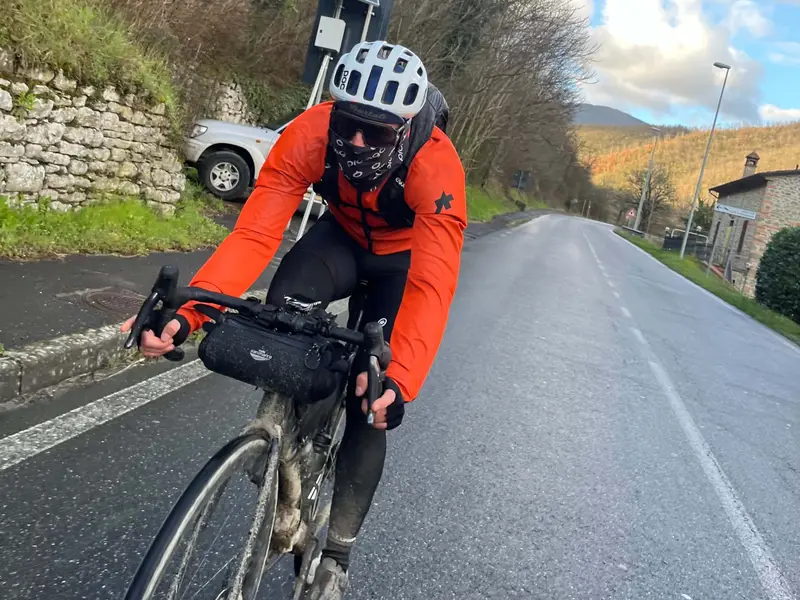
How to dress for cycling in winter
Riding in winter can look complicated, but with the right clothing it becomes one of the best times of the year to be on the bike. Quiet roads, clean air, deeper colours: winter has its own charm, as long as you know how to dress for cold-weather riding without overdoing it.
In this guide I explain how I choose clothing, accessories and thermal layers for winter rides, with the practical tips, the mistakes to avoid and the habits I rely on during my own winter tours.
How to tell if you’re dressed right
The hardest part of winter clothing is finding the balance. Wear too much and you sweat; sweat and you get cold; get cold and the ride is over before it starts.
The golden rule is simple: if you feel slightly cold when you leave the house, you’re dressed right.
Here’s why:
- after 5–10 minutes of pedalling your body warms up
- if you start out already warm, you’ll be sweating within minutes
- sweat plus wind cools your muscles and makes you uncomfortable
Keep stops short
In winter your body cools down fast, and the longer you stop, the harder it is to get going again. So:
- keep stops to a minimum
- open the zip on the climbs, add a layer for the descents
- if the wind is cold, cover your chest and neck straight away
The goal is to keep your body temperature steady.
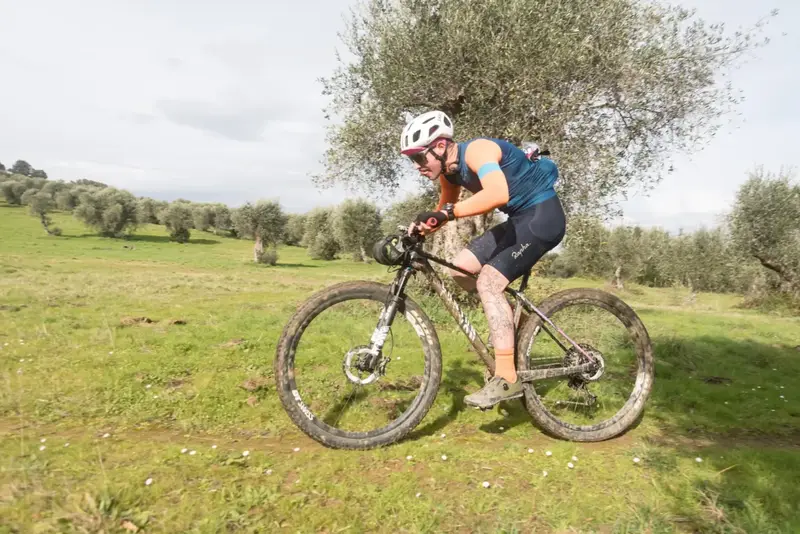
What to wear, head to toe
1. Winter socks
Your feet are the first weak point, and technical socks make a huge difference. SealSkinz are among the best: waterproof and insulating. I’ll cover them in a dedicated article, because for cold, wet rides they’re the benchmark.
2. Gore-Tex winter shoes
They work better than overshoes and give you:
- protection from the wind
- waterproofing
- comfort that lasts even below 5°C
I’m currently testing the new Northwave Gore-Tex shoes and will publish a full review soon.
3. Winter bib tights: the base for your legs
Good winter bib tights should have:
- a brushed, fleecy inside
- wind protection
- excellent breathability
- a chamois that stays comfortable in the cold
They’re one of the most important pieces of winter cycling clothing.
4. Thermal base layer: the one that makes the difference
The base layer does most of the work of managing the temperature next to your skin. What to look for:
- merino wool or breathable technical fabrics
- a close fit
- the ability to move moisture away from your skin
Get the base layer wrong and no jacket will save you.
5. Winter cycling jacket: which one to choose
There’s no single jacket that does everything. I switch between several depending on:
- temperature
- wind
- how hard I’m riding
Warmer jackets are ideal below 5°C; lighter ones work better on milder or wetter days.
6. Wind and rain vests: always in your pocket
The gilet is the most versatile piece of winter kit. I use it for:
- cold descents
- sudden drops in temperature
- crosswinds
- shaded stretches
A rain jacket is worth carrying even when it isn’t raining: it makes a very effective extra layer against the cold.
7. Buff, neck warmer and cap: keep your head warm
You lose a lot of heat through your head, so in winter I always wear:
- a buff around my neck or face
- a merino cap
- a thin technical cap under the helmet
Glasses become essential too: they protect your eyes from wind, rain and the sting of cold air.
8. Winter cycling gloves: how to choose
Gloves deserve their own section, because they’re one of the most critical parts of winter clothing.
Why gloves matter
- you keep the feel on the brake levers
- they protect your hands from icy wind
- cold, stiff hands mean less control of the bike
Which gloves for which temperature
- light thermal gloves → 10 to 6°C
- heavy windproof winter gloves → 6 to 0°C
- waterproof or “lobster” gloves → below freezing, in rain or strong wind
Lobster gloves, with two fingers together, are great if you feel the cold: they keep your hands warmer without compromising your grip on the bars.
How to tell your gloves are working
- after 10–15 minutes your hands should feel warm, not burning
- they shouldn’t make your hands sweat, or they’ll get cold
- you should be able to brake and shift without effort
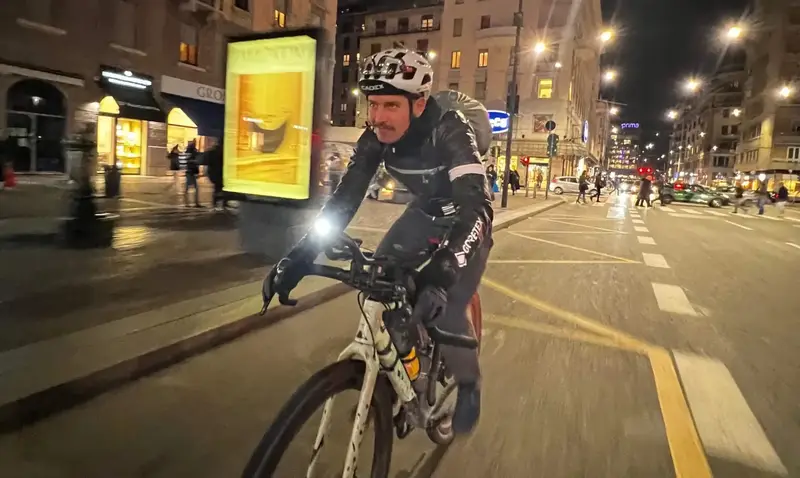
9. Be seen: lights, always
In winter you need to be more visible than in any other season. I always recommend:
- a white front light, even during the day
- a flashing red rear light
- jackets and vests with reflective details
- a helmet with high-visibility inserts
Between shade, haze, low cloud and rain, drivers need to see you well in advance.
10. Rain, wet roads and the humble Ass Saver
When it’s raining or the road is wet, a simple Ass Saver can save your ride:
- no icy spray up your back
- your jersey stays dry
- your body temperature stays steady
It costs very little and weighs nothing, so it’s worth keeping one on the bike all winter.
Dressing well is what makes winter enjoyable
Winter riding isn’t about surviving the cold; it’s about preparing for it. Remember the three basic rules:
- If you feel slightly cold when you leave, you’re dressed right.
- Keep stops short and play with your layers.
- Be visible: lights always on.
With the right clothing, winter becomes one of the most rewarding seasons on the bike: quiet roads, intense colours, focus and rhythm.