
Bikepacking series, episode 2: bags and gear
The second episode of my bikepacking series: the bags that make the difference, from saddle bag to frame bag, handlebar bag and top tube bag, and how I pack each one.
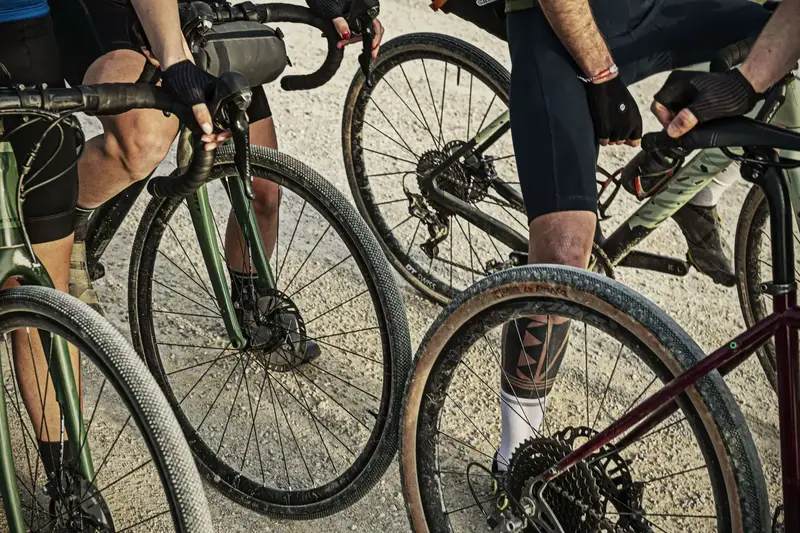
The gear that makes the difference
Introduction
Welcome to the second episode of my bikepacking series. This time we look at a key part of any trip: the gear, and in particular how to choose and use bikepacking bags, essential for a comfortable, well-organised trip.
I will also share my experience with the Selle San Marco bag set, which proved to be a great ally on some of my toughest trips. If you want to fine-tune your travel kit, this episode is for you.
Typical bikepacking gear
Bikepacking has changed the traditional approach to bike touring, which was based on racks and panniers. Bikepacking bags fit almost any kind of bike without a rack, which makes them extremely versatile. With a little care you can fit them to road bikes and mountain bikes alike, and carry everything you need for a weekend with friends or a long crossing.
Over the years I have noticed that whether a trip lasts three days or three months, I carry almost the same gear when I use bikepacking bags. Many variations on the classic bags have appeared recently, but let’s look at the first types that came into the bikepacking world. One big advantage of bikepacking is that you can ride off-road, even on narrow trails, which is hard with a classic setup because of the weight and bulk of traditional panniers.
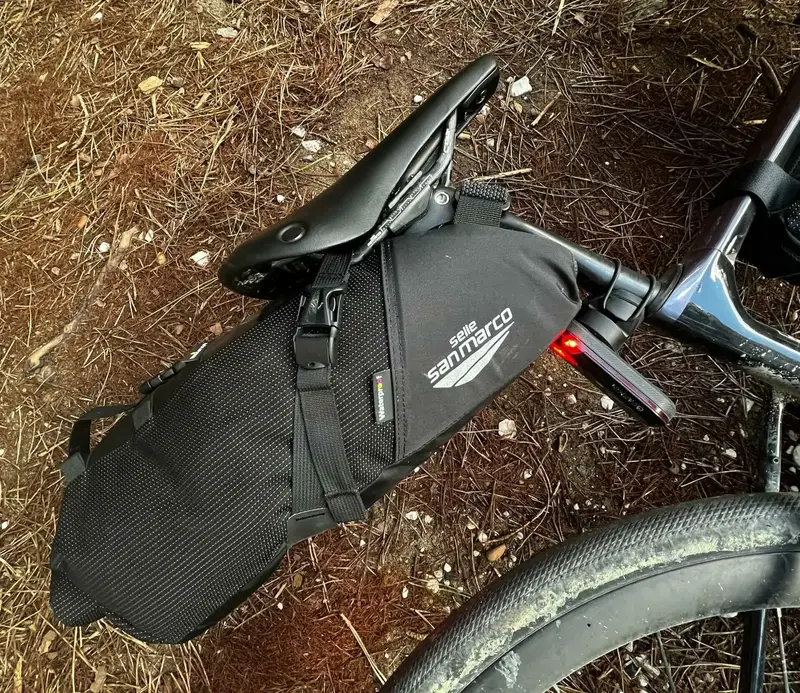
I recently tested the Selle San Marco bikepacking set on my latest scouting rides on demanding trails. It stood out for being very strong and light, two features that matter a lot on long bikepacking trips. The quality of the materials and the attention to detail made every bag reliable in all kinds of situations, from long climbs to technical descents. They fit different bikes and setups and are quick to put on and take off, which made the trip smoother and less of a hassle. The balance between function and design left a good impression, and confirmed Selle San Marco’s reputation for combining performance and looks in products made for demanding cyclists.
The bags
Saddle bag
Let’s start at the back of the bike, with the saddle bag. It sits under the saddle and is easy to reach, so I keep things I need quickly in it. You can open it without getting off the bike, just by releasing the rear clip. I usually keep warm clothing in it that I may need during the ride.
Frame bag
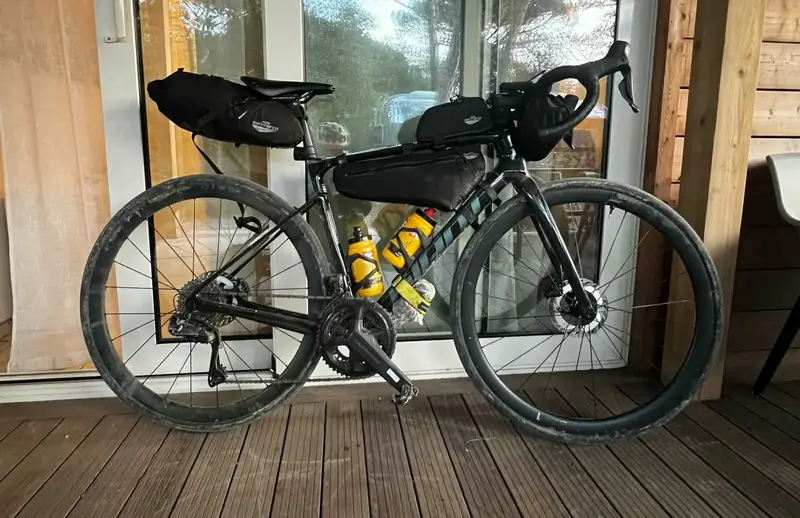
In the middle of the bike there is the frame bag, which comes in different shapes and sizes and fills the empty space in the frame triangle. It can be small, leaving the lower part of the frame free for bottles, or a full-frame bag that fills the whole triangle. With a full-frame bag you gain space, but you need another place for water, for example bottle cages on the fork or a hydration backpack.
Because it sits in the centre of the frame, close to the bike’s centre of gravity, you hardly notice it once it’s fitted. I usually keep heavy items at the bottom of it, such as multitools and spare parts. It’s also easy to reach, especially if, like the Selle San Marco model, it has a long zip you can open while riding.
Depending on your needs, a frame bag can hold bivouac gear and rain gear.
Handlebar bag
The third bag to arrive on the market was the handlebar bag. Similar bags already existed in classic touring setups, but bikepacking handlebar bags were designed to fit without extra mounts, so they work on any handlebar: mountain bike, road or gravel.
They come in different sizes, from small ones for a weekend, like Selle San Marco’s waterproof, compact and light model, to larger ones for carrying more gear.
Of all the bikepacking bags, the handlebar bag takes the longest to fit and remove, so I usually pack things I only use once a day: camping gear, sleeping bag, bivvy bag and off-bike clothes, if I decide to bring them. Many handlebar bags let you add a smaller accessory pocket on the front for extra space. It’s easy to reach, so I keep things I need to grab quickly in it, even while riding: a light, a power bank, my wallet, a neck warmer or a warm hat.
Top tube bag and other bags
Another important bag is the top tube bag, which sits on top of the frame. It comes in different sizes and is very handy for things you use on the move, such as energy bars, lip balm or other small items. For bikepackers it’s extremely useful.
There are other kinds of bags too, such as panniers and fork bags. And it’s worth mentioning the new hybrid solutions appearing on the market, such as removable racks and bags that are a compromise between traditional touring and bikepacking.
The field keeps evolving, and there would be much more to say, but time is limited. If you are curious to learn more about bikepacking from a professional perspective, I suggest you sign up for the newsletter to get the next articles.
If you want an idea of how I organise my gear, and what I took on the long crossing from Turin to the North Cape at last year’s NorthCape4000, have a look at my Instagram page. You will find all the gear reels there, starting from this one.
Don’t miss the next episode
To follow the series and get new tips, sign up for my newsletter. Stay tuned, because the next episode is all about planning, and the details that make a bike trip one to remember.
Thank you for being part of this community of passionate cyclists.
See you in the next episode, on the bike!